
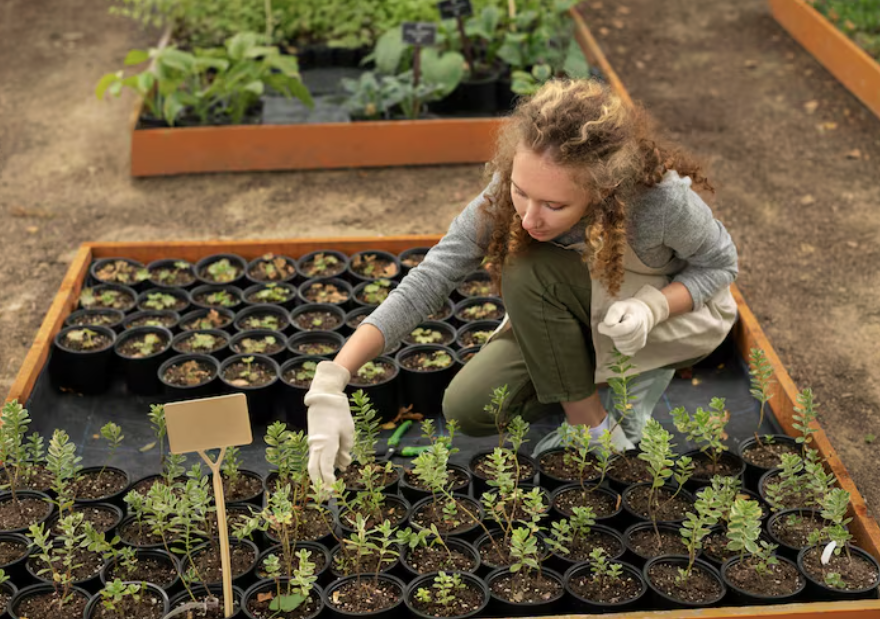
As winter loosens its grip on Nova Scotia, gardeners across the province wait eagerly for signs that spring is truly here. But if you’ve been conditioned to wait until the May long weekend to sow your first seeds, you might be missing out on some of the best opportunities for a productive growing season. The secret to success in Nova Scotia’s variable coastal climate is knowing what to plant and when—and that means starting your cool crops early.
Understanding Nova Scotia’s Growing Season
Nova Scotia’s coastal weather creates shorter growing seasons compared to inland regions of Canada. Cool springs and unpredictable frost patterns can challenge even experienced gardeners. However, many crops actually thrive in these conditions. Root vegetables, leafy greens, and brassicas (like cabbage and broccoli) all love cool soil and mild daytime temperatures.
Generally, Nova Scotia gardeners can start hardening off plants outdoors by mid- to late-April in coastal zones and early May in inland or northern regions. Using a local frost chart and soil thermometer will help you pinpoint exact dates in your area. The ground temperature is more important than the air temperature—a soil reading of about 5–10°C is the sweet spot for planting early spring crops.
Cool Crops to Plant Before May Long Weekend
Planting early doesn’t mean rushing summer favorites like tomatoes, peppers, or beans. Instead, focus on vegetables that prefer cooler conditions. Here are some top picks for Nova
Scotia gardeners looking to make the most of early spring:
- Spinach and Lettuce: Both germinate well in soil temperatures just above freezing, producing tender greens before the heat sets in.
- Radishes: Fast-growing and frost-tolerant, radishes can be ready to harvest in as little as three weeks after sowing.
- Peas: Plant them once the ground is workable. Their roots strengthen in cool soil, and early planting ensures a robust harvest before summer heat.
- Onions and Leeks: Transplant onion sets or seedlings early to maximize bulb size by midsummer.
- Cabbage, Kale, and Broccoli: These brassicas are hardy, and their young seedlings benefit from early exposure to cooler air.
By planting these before the May long weekend, you’ll extend your growing season and enjoy fresh produce long before many gardeners even start.
Why Raised Beds Help Early Starters
One of the best ways to get an early jump on the season is by planting in raised beds. These garden structures warm up faster than in-ground soil, drain excess moisture during spring thaw, and provide better control over soil quality. If you’re planning to invest in a setup that improves yield and accessibility, the best raised garden beds can make all the difference in Nova Scotia’s cool, damp spring weather.
To prepare a raised bed for early planting:
- Add compost early. Mix in organic compost or aged manure a few weeks before planting to improve soil fertility.
- Cover the soil. Use black plastic, landscape fabric, or row covers to help the bed warm up before seeding.
- Protect against frost. Cloches, cold frames, or lightweight garden fabric can guard your seedlings from late frosts common before May 24.
These strategies not only improve early germination but also allow for succession planting throughout summer—keeping your garden productive well into fall.
Regional Timing Tips
Nova Scotia’s diverse microclimates—ranging from the mild Annapolis Valley to the cooler Cape Breton Highlands—mean your garden calendar should be slightly tailored to your specific region.
- Southern and Coastal Areas: You can usually plant hardy crops outdoors by mid-April. Temperatures are milder, and frost risk declines earlier.
- Central Areas (Halifax, Truro, New Glasgow): Late April to early May is ideal for most cool-season crops.
- Northern and Inland Areas: Wait until early May to direct-seed, but consider using row covers or hoop houses for added protection.
Keeping a personal garden journal of weather patterns and planting dates helps fine-tune your timing for future seasons. Over time, you’ll notice that small local variations—like an especially windy yard or a shaded slope—can shift your planting schedule by a week or more.
Maximizing Success with Companion Planting
Companion planting enhances natural pest control, promotes healthy growth, and makes efficient use of limited spring space.
Try pairing crops with complementary growth habits:
- Spinach with Strawberries: Spinach shades the soil while strawberries anchor the bed.
- Peas with Lettuce: Peas climb upward, leaving room for low-growing greens.
- Radishes with Carrots: Radishes germinate quickly, loosening soil for slower-growing carrot roots.
These small pairings not only boost soil health but also create a more visually pleasing garden layout.
Preparing for Warm-Season Crops
By the time Victoria Day rolls around, your early plantings will already be thriving—and it will be time to transition to summer crops. As you harvest spring vegetables, reuse those plots for beans, cucumbers, or tomatoes once frost danger has passed. This rotation optimizes space use and maintains balanced soil nutrient levels.
For plants that prefer warmth, consider starting seedlings indoors in March or April under grow lights. By transplanting them after May 24, you’ll have strong, established plants ready for summer’s steady warmth.
Nova Scotia’s gardening calendar rewards those who plan. Planting cool-weather vegetables before the May long weekend gives you a head start, ensuring a longer and more productive harvest season. With thoughtful preparation, raised beds, and protective covers, even unpredictable maritime weather won’t stand in your way.
By embracing early planting, you’ll turn the province’s cool climate into an advantage—and enjoy the first crisp, homegrown greens of spring long before your neighbors’ gardens wake up.